Botanical · Export

Hibiscus Flower: from farm to port.

Deep-red, hand-sorted hibiscus calyces from northern Nigeria. Follow each stage of how we source, process, grade and ship hibiscus flower to buyers worldwide.

Moisture: ≤12%Admixture: ≤1%Dried calyces, hand-sortedSGS InspectedPhytosanitary CertifiedNEPC Registered

Stage 01 · Harvesting

Harvesting — Picking the Calyces by Hand

The hibiscus traded internationally — Hibiscus sabdariffa, known in Nigeria as zobo — is grown widely across the north, in Kano, Jigawa, Katsina and neighbouring states. It is used around the world in herbal teas, beverages, food colouring and supplements.

The valuable part is not the petals but the calyx: the fleshy, deep-red cup that surrounds the seed pod after the flower fades. Calyces are picked by hand from around October to December, once they are plump and fully coloured.

Picking at the right time gives the deep colour and acidity buyers look for. Calyces left too long become woody and pale.
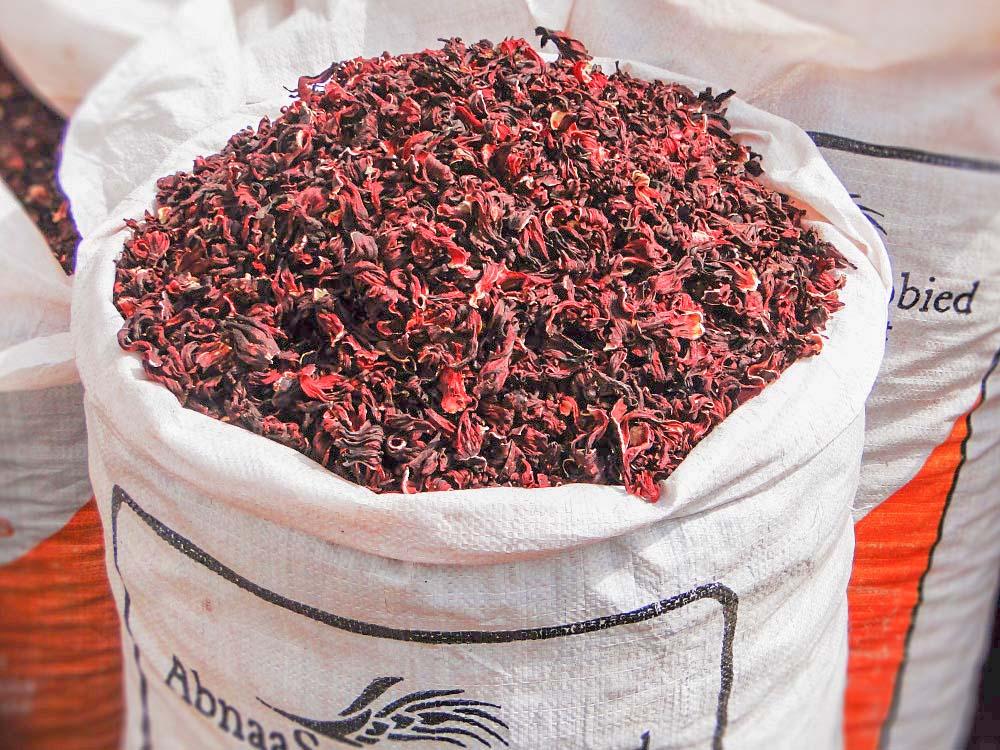
Dried hibiscus calyces ready for sorting.

Stage 02 · Separating

Separating the Calyx from the Seed Pod

Each calyx wraps around a green seed pod, which must be removed. This is done by hand, usually by pushing the pod out with a short stick or by splitting the calyx open.

It is slow, careful work, but it is what separates premium hibiscus from lower grades. Pods left in the lot add weight and dilute the colour and flavour.

The separated calyces go straight to drying while they are fresh.

Stage 03 · Drying

Drying — Preserving Colour

Calyces are spread in thin layers on clean mats or raised racks and dried for several days until moisture falls to 12% or below. They are turned regularly and kept off the ground.

Drying protects the calyces from mould and preserves their colour. Hibiscus dried too slowly or left damp turns dark and dull, while well-dried calyces stay bright red and brittle.

The dried calyces are then moved to a clean store, away from moisture, until they are sorted.

Stage 04 · Sorting

Hand Sorting & Grading

Dried hibiscus is sifted to remove sand and dust, then hand-sorted to remove leaves, stems, seed pods, stones and any discoloured or mouldy calyces. Our export grades contain no more than 1% admixture.

Each lot is graded by colour, calyx size and cleanliness, and tested for moisture. For food and tea markets we also test for microbiology, pesticide residues and other contaminants to meet the destination’s import limits.

An independent inspector confirms the results before loading.

Stage 05 · Packaging

Packaging & Documentation

Hibiscus is light and bulky, so it is packed in polypropylene bags, typically 20 to 25 kg each, or pressed into bales to fit more into each container. Every bag is marked with the lot number and origin.

Bags are stored in dry warehouses and fumigated before shipment where required.

The documentation package includes the phytosanitary certificate, certificate of origin, independent inspection and analysis reports, fumigation certificate, bill of lading, commercial invoice and packing list.

Stage 06 · Shipping

Container Loading & Export Logistics

Hibiscus is loaded into clean, dry containers lined with kraft paper to keep out moisture during the voyage.

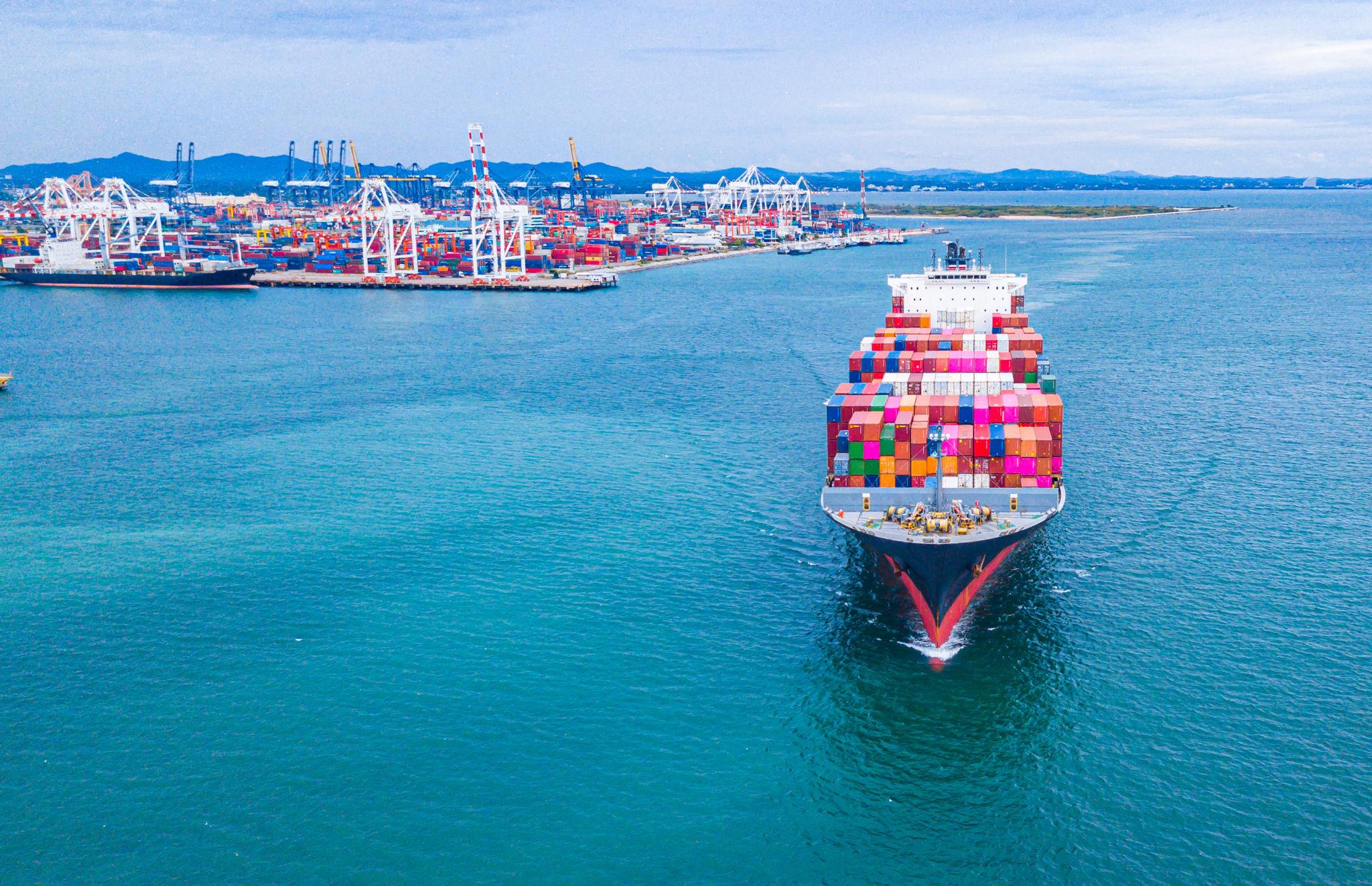
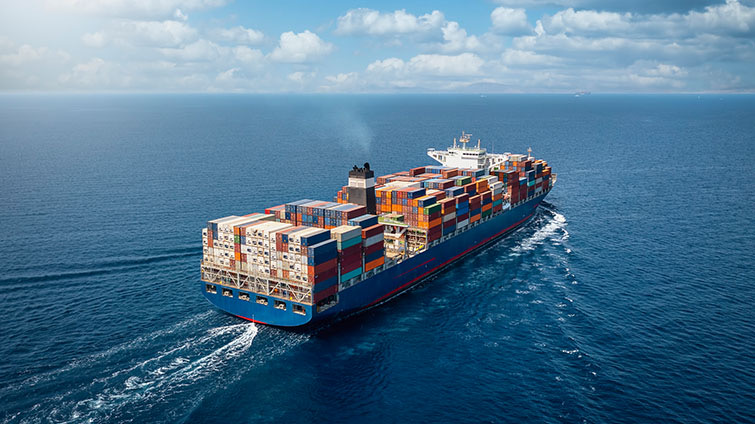
We ship from Apapa, Tin Can Island and Onne on FOB, CFR or CIF terms. Mexico, the United States and Europe are major destinations, where hibiscus is used for beverages and herbal teas.

Our logistics team shares booking details, tracking and arrival estimates throughout.

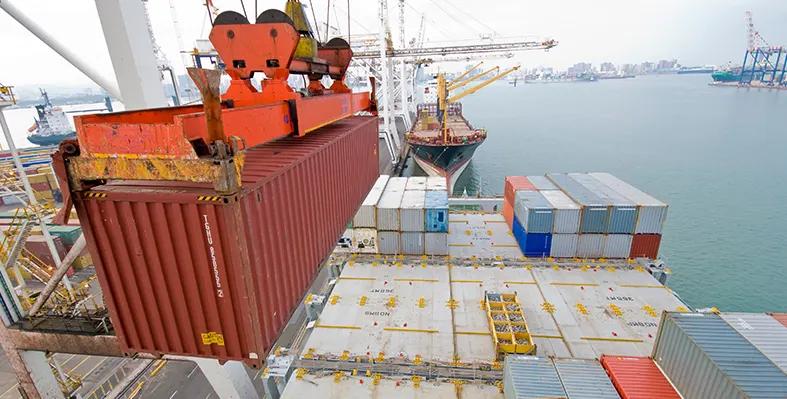
Containers loaded at port for export.
Back to all agricultural commodities

Start a trade

Ready to source hibiscus flower?

Tell us your grade, volume, packaging and destination port. We will come back with availability, pricing and shipment dates.