Oilseed · Export

Sesame Seeds: from farm to port.

Cleaned, export-grade sesame from Nigeria’s northern growing belt. Follow each stage of how we source, process, grade and ship sesame seeds to buyers worldwide.

Purity: up to 99.95%Oil content: 50–55%FFA: ≤2%Moisture: ≤6%SGS InspectedPhytosanitary CertifiedNEPC Registered

Stage 01 · Farming

Farming & Harvesting — Timing the Cut

Nigeria is one of the world’s leading sesame producers, with most of the crop grown by smallholders across Nasarawa, Benue, Jigawa, Kano, Katsina and neighbouring states. Sesame is planted with the rains around June and July and harvested from roughly September to December.

Harvest timing is critical. Sesame seeds sit in capsules along the stem that split open when they are fully dry, so if the crop is cut too late, the seed simply falls to the ground and is lost. Farmers cut the plants by hand as the leaves yellow and the lower capsules begin to turn, before they open.

We buy from farmer groups and aggregators in these growing areas, checking seed colour, maturity and cleanliness at collection so that only sound seed enters our supply chain.
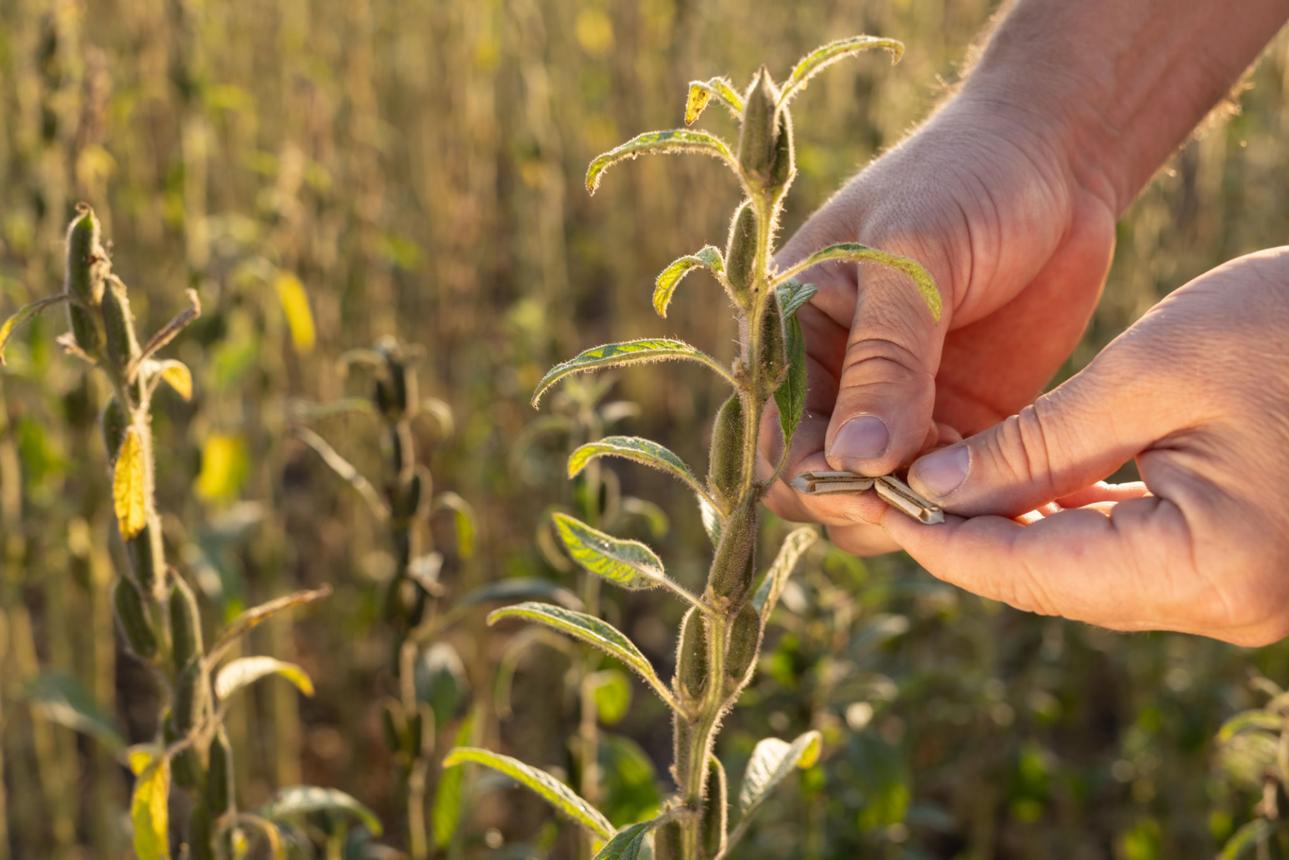
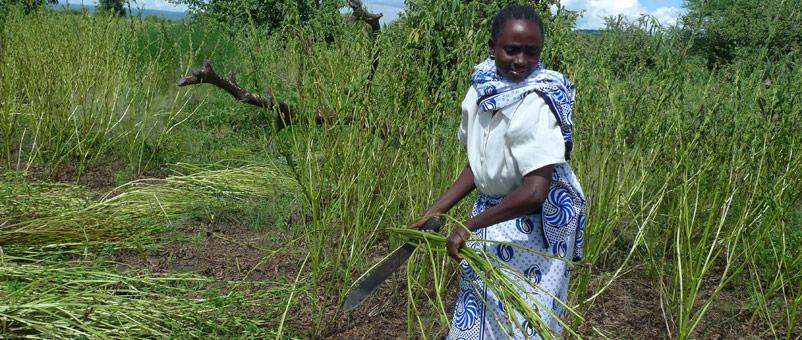
Checking sesame capsules for maturity before the harvest.

Stage 02 · Drying

Drying & Threshing

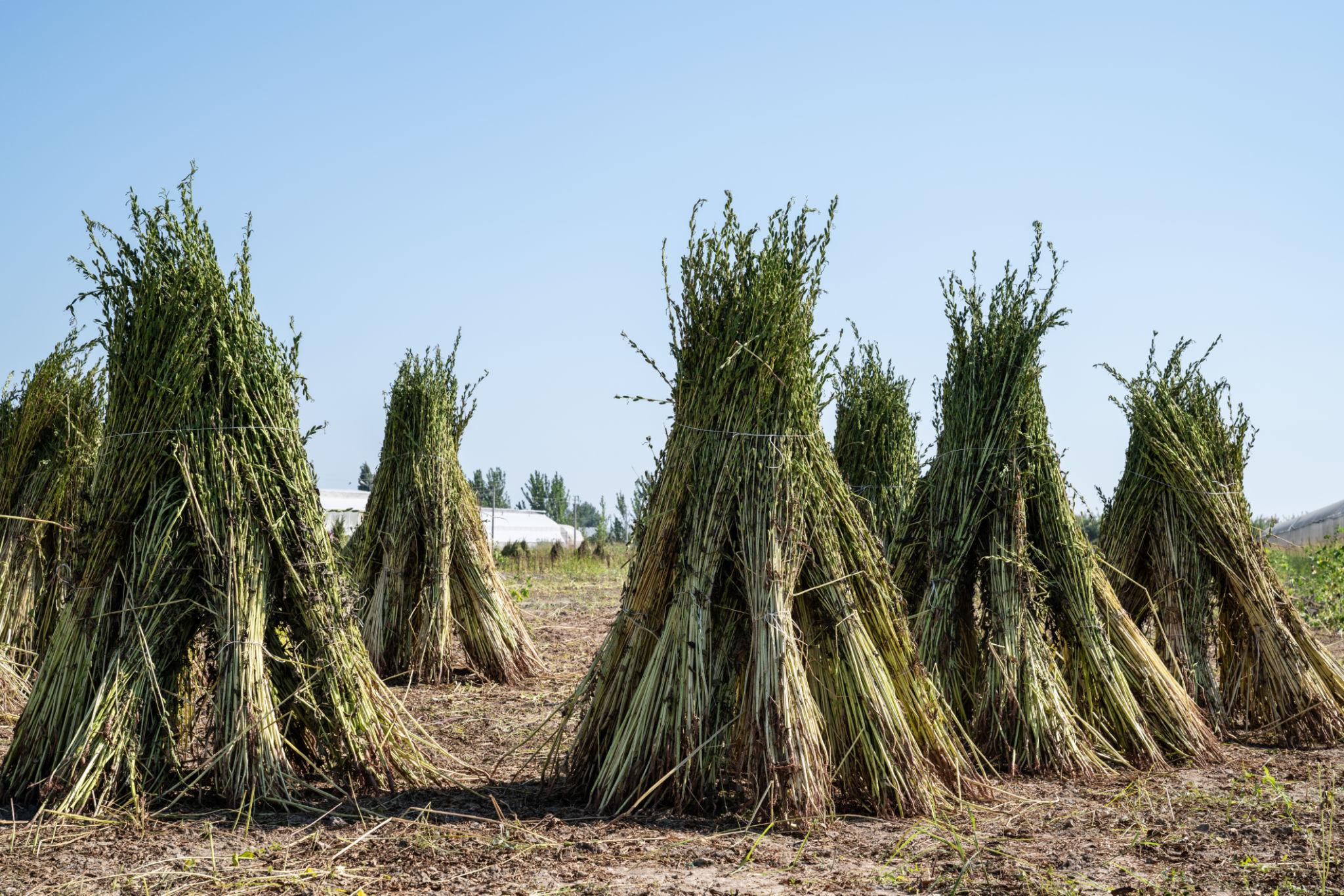
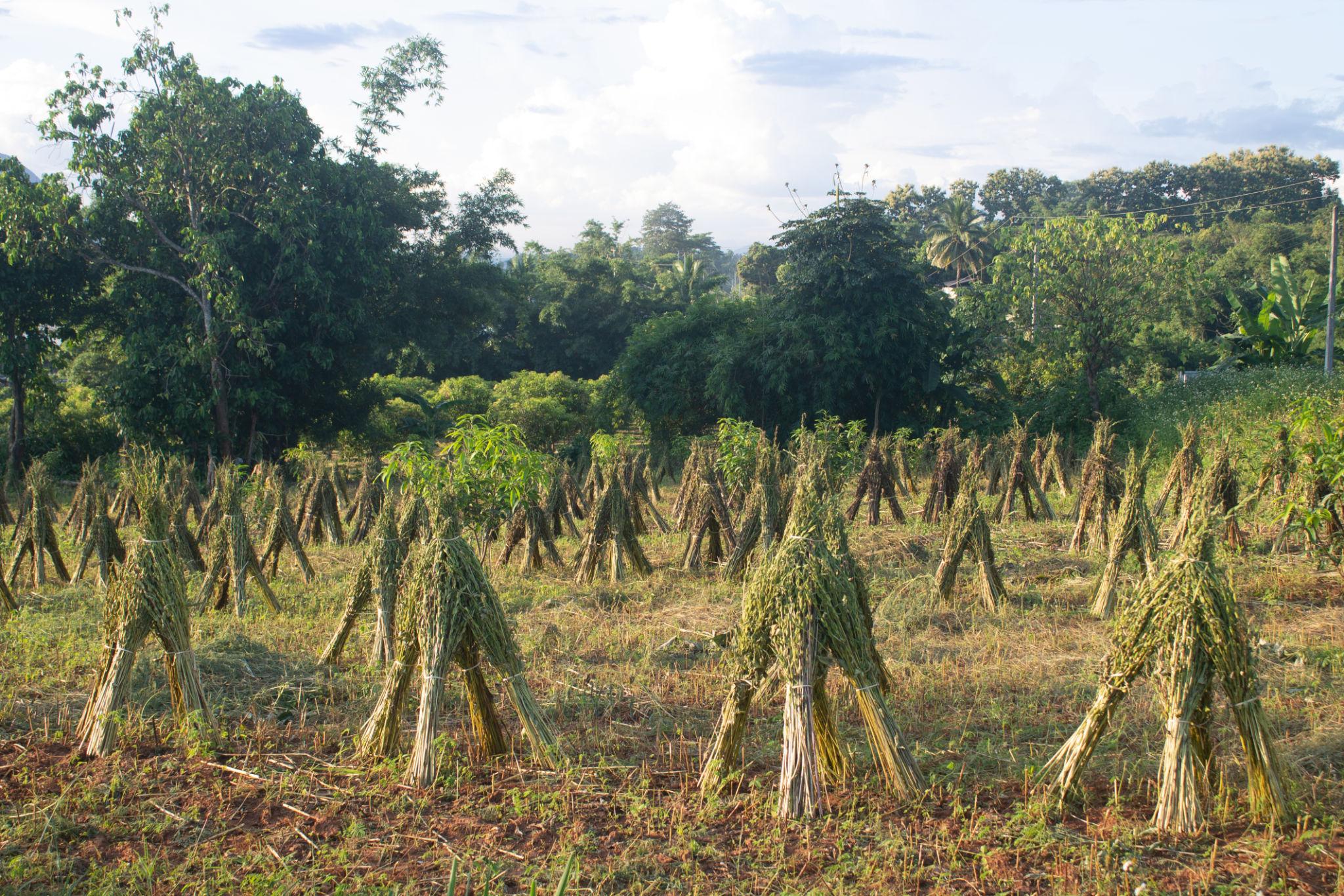
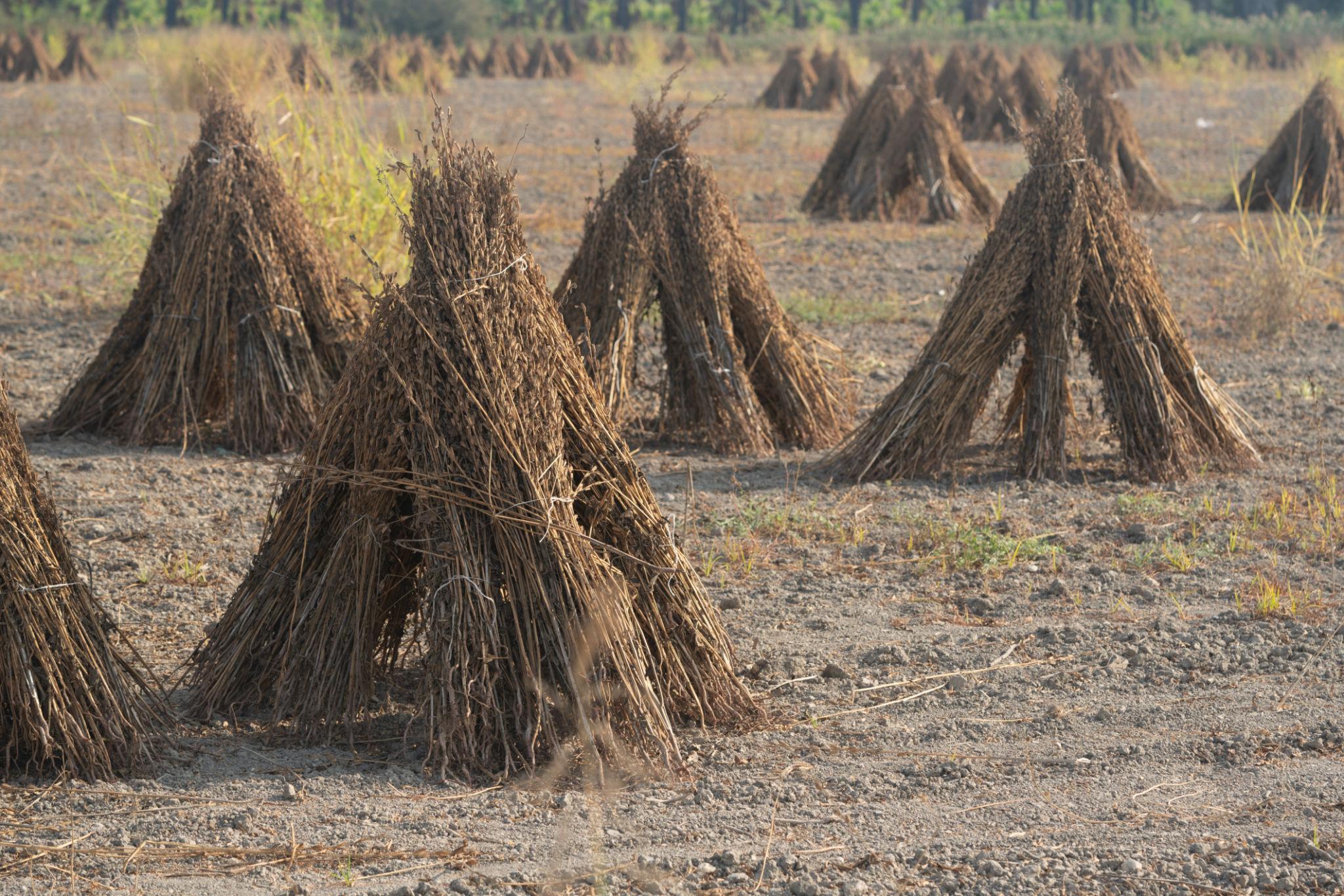
Cut sesame stalks are tied into bundles and stood upright in stooks to dry in the sun for one to two weeks. Standing them upright lets the capsules open while keeping the seed off the ground, away from soil, stones and moisture.

When the capsules have opened, the bundles are turned upside down over clean tarpaulins and gently tapped so the seed falls out. This simple threshing method is repeated over several days to recover as much seed as possible without crushing it.

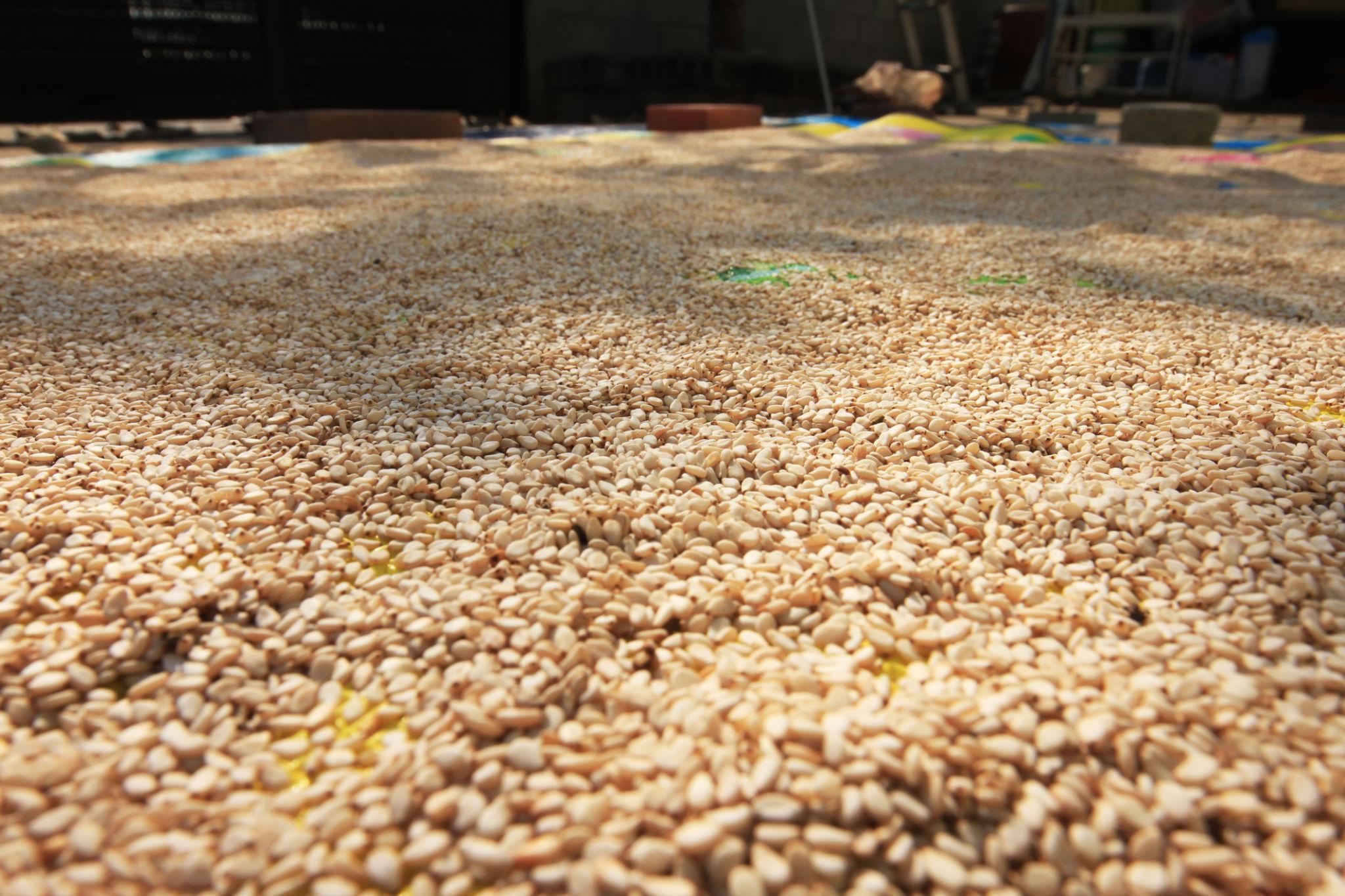
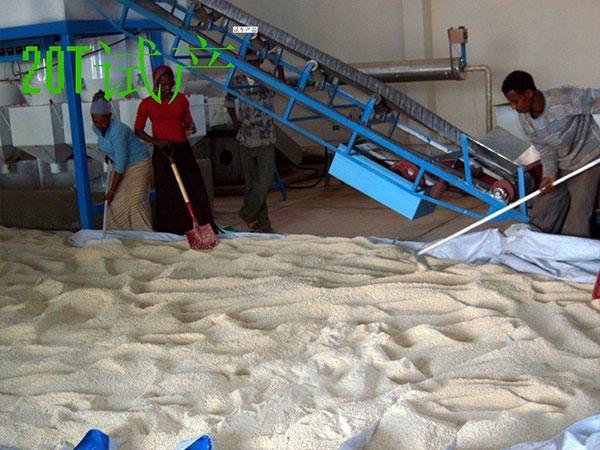
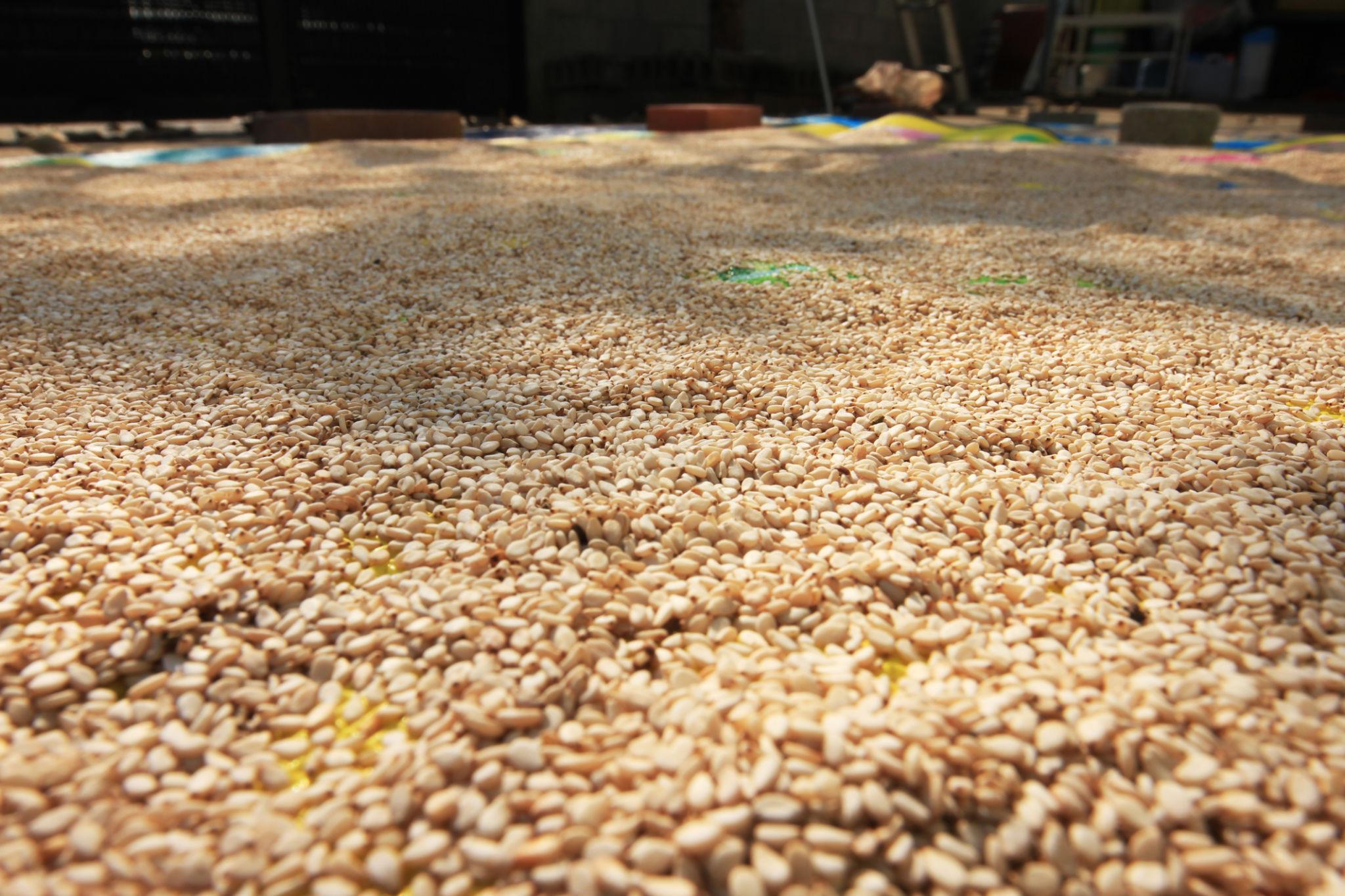
The threshed seed is then dried further on tarpaulins until moisture falls to a safe level for storage, which protects it against mould and keeps its free fatty acid content low.

Sesame drying on tarpaulins after threshing.

Stage 03 · Cleaning

Cleaning & Sortexing — From Farm Grade to Export Grade

Farm-gate sesame usually arrives at around 98% purity, carrying dust, sand, stalk pieces, shrivelled seed and seed of other colours. Buyers in Asia, Europe and the Middle East expect far more than that, so every lot goes through cleaning.

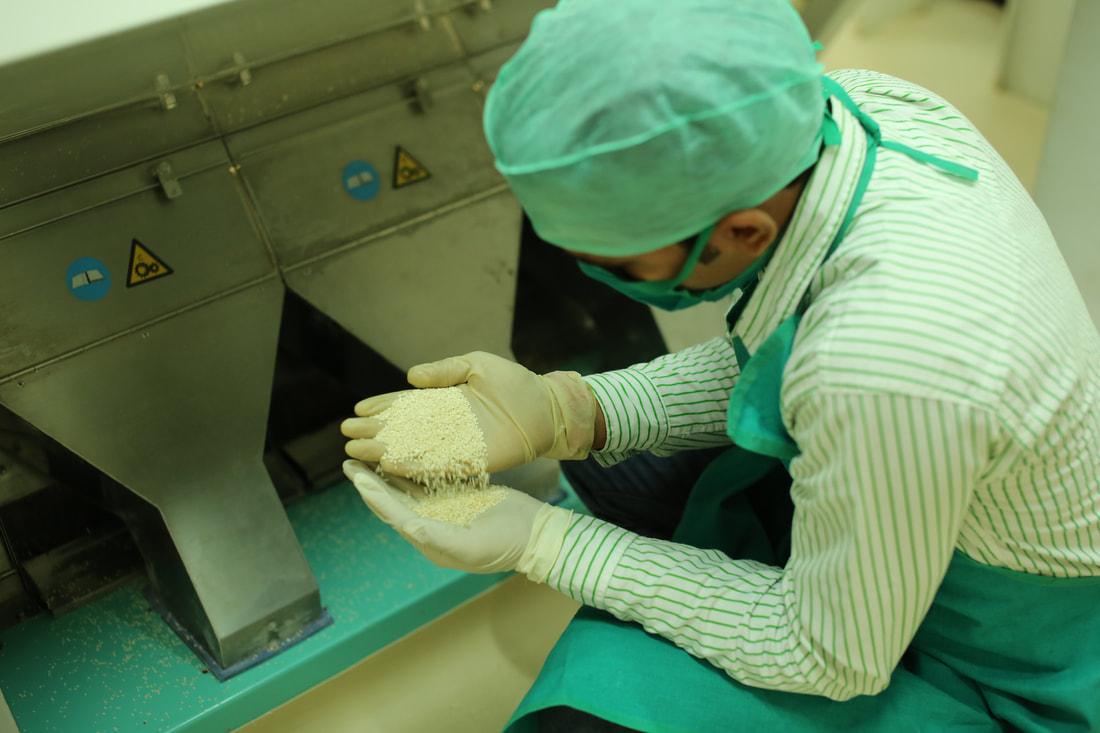
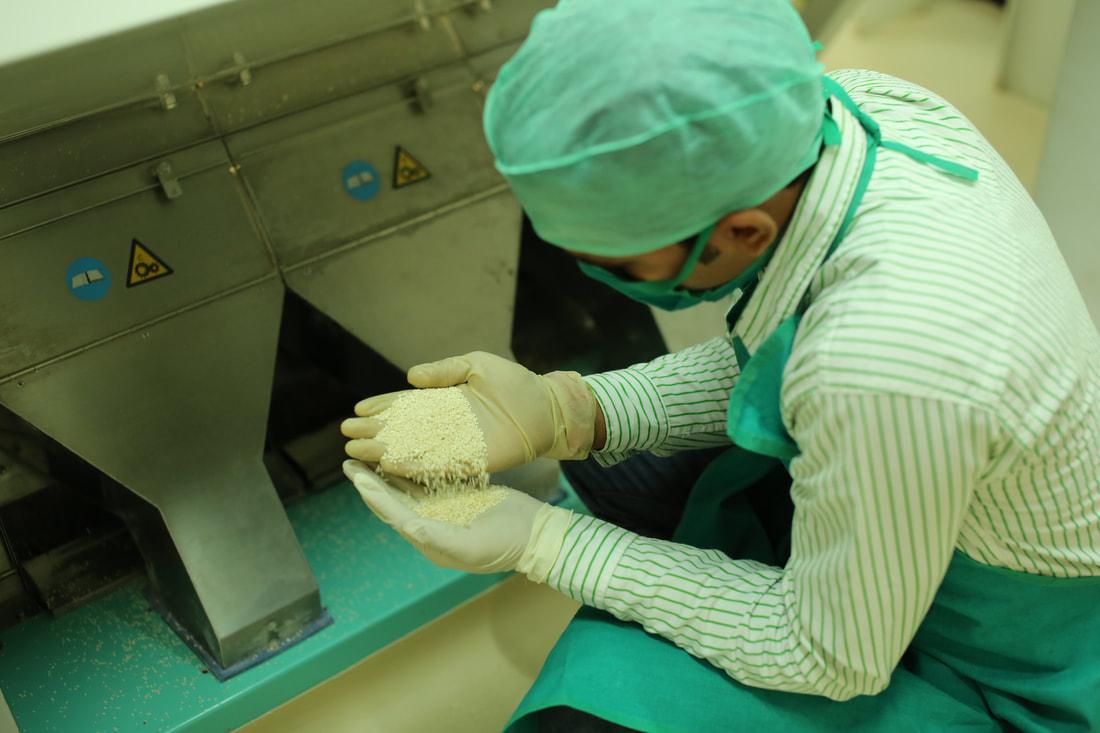
The seed passes through destoners, sieves and aspirators to remove stones, dust and light material, then through optical colour sorters (sortex machines) that reject discoloured and foreign seeds one by one. Depending on the buyer’s specification, we supply machine-cleaned sesame at 99.5% to 99.9% purity and sortexed sesame at up to 99.95%.

Cleaning is done in food-safe facilities, and cleaned seed is kept separate from uncleaned stock to prevent recontamination.

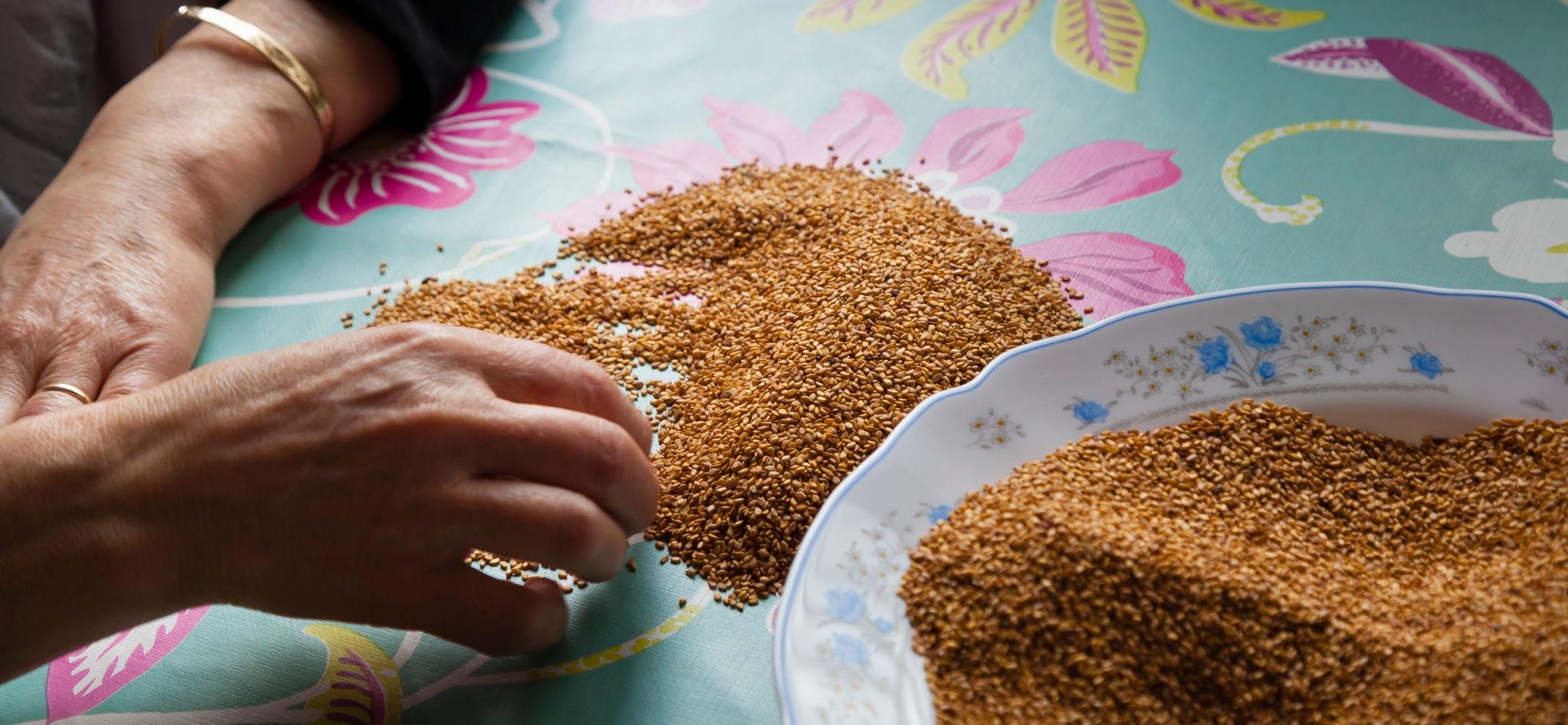
Hand inspection of cleaned sesame seed.

Stage 04 · Grading

Grading & Laboratory Testing

Each cleaned lot is sampled and tested against the agreed specification: purity, moisture (typically 6% or below), oil content (usually 50–55%), free fatty acids (2% or below) and colour, white or mixed.

Sesame bound for the EU and other regulated markets is also tested for food safety, including salmonella and pesticide residues, so that it clears import controls without delay. Results are recorded against the lot number and shared with the buyer.

An independent inspector such as SGS or Bureau Veritas then draws samples for confirmation before loading, giving the buyer a third-party check that the sesame matches the contract.

Sampling sesame seed for quality checks.

Stage 05 · Packaging

Packaging & Documentation

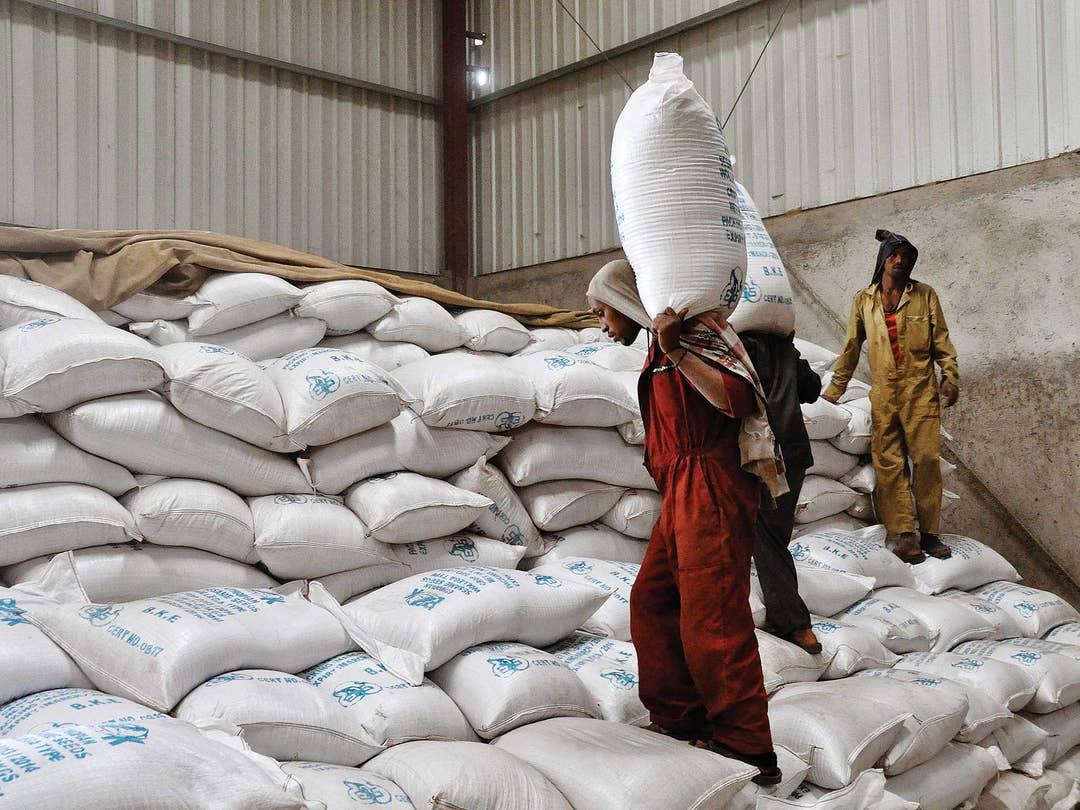
Export sesame is packed in new 25 kg or 50 kg polypropylene bags, or in paper bags where the buyer specifies them. Each bag is marked with the lot number, origin and weights for full traceability.

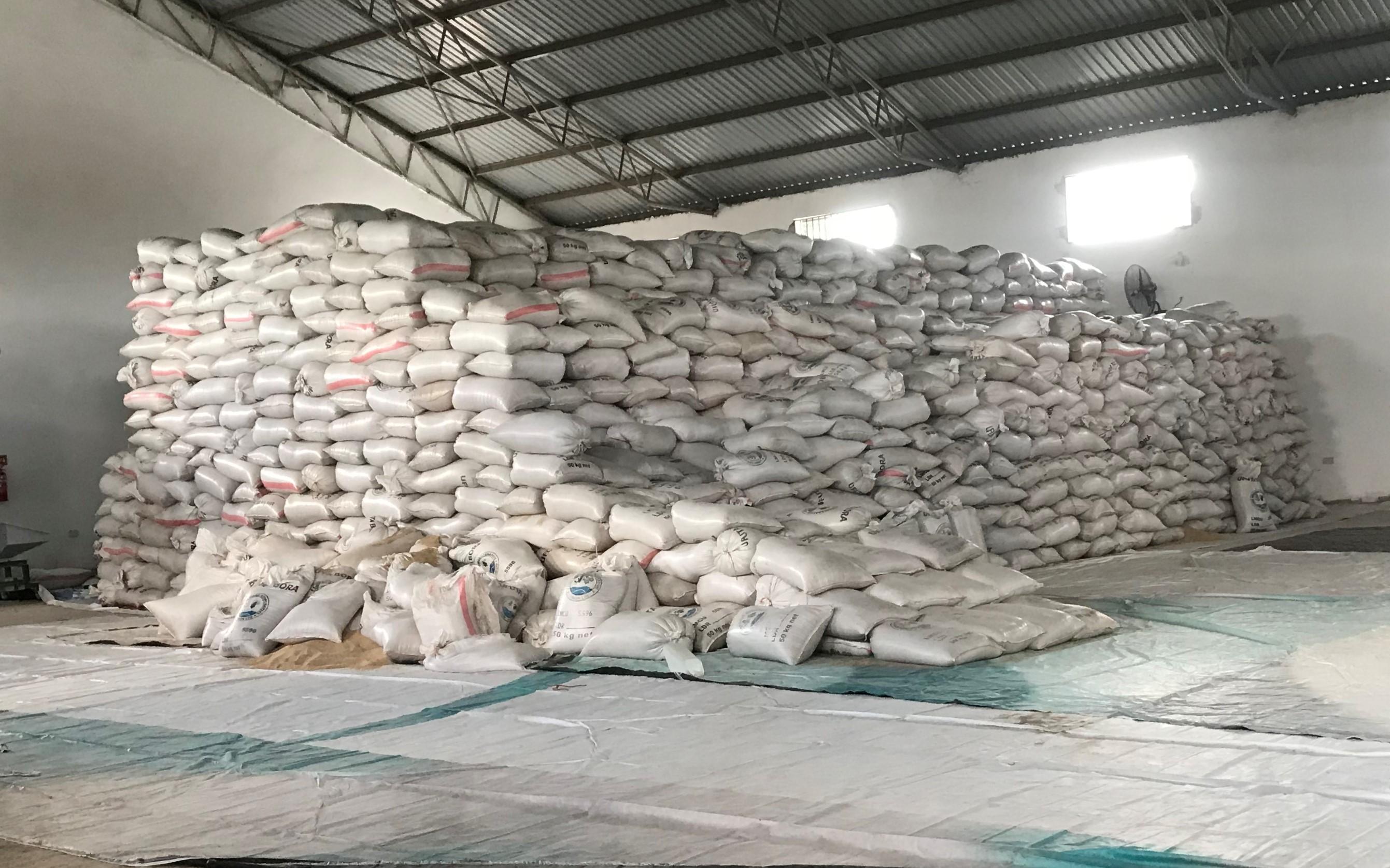
Bags are stored on pallets in clean, dry warehouses and fumigated before shipment where the destination requires it, with a fumigation certificate issued.

The documentation package includes the phytosanitary certificate, certificate of origin, independent inspection and analysis reports, fumigation certificate, bill of lading, commercial invoice and packing list.

Bagged sesame stacked in the warehouse ahead of loading.

Stage 06 · Shipping

Container Loading & Export Logistics

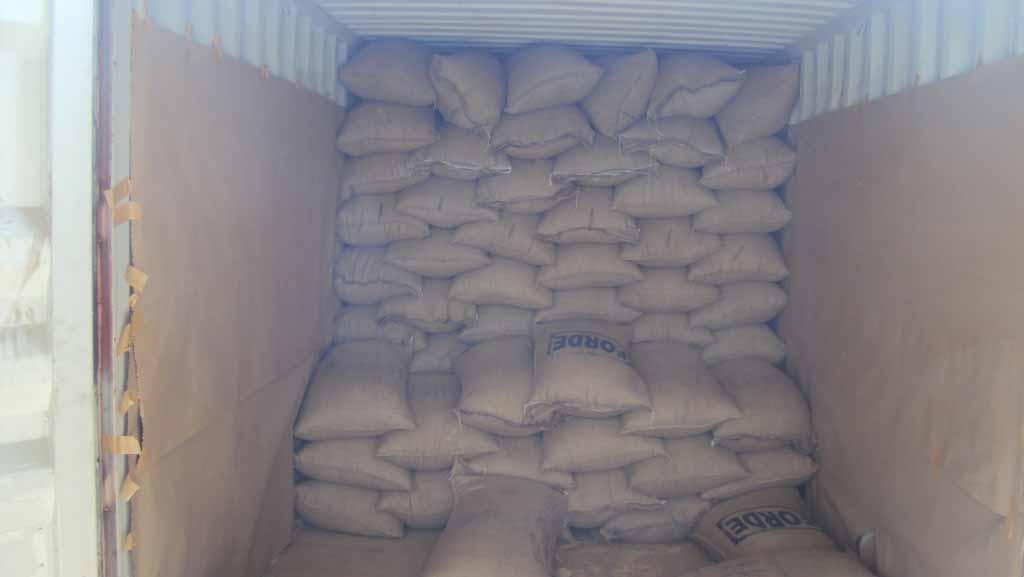
Sesame is loaded into clean, dry, food-grade containers lined with kraft paper to protect against condensation. A 20ft container typically carries around 18 to 20 tonnes of bagged sesame.

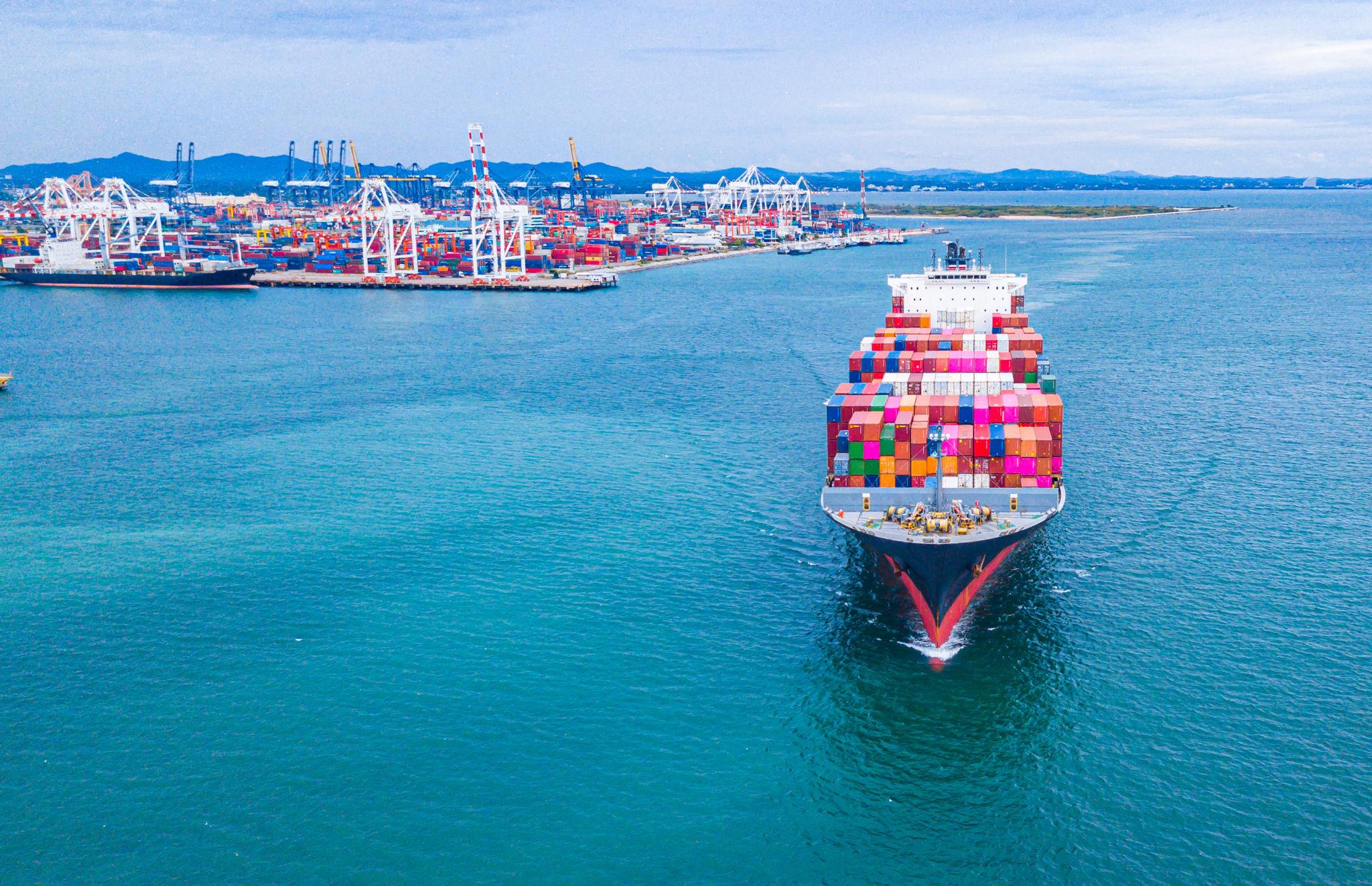
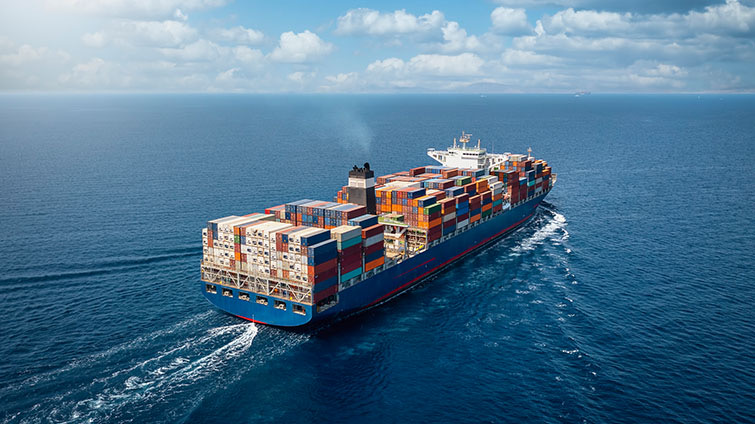
We ship from Apapa, Tin Can Island and Onne on FOB, CFR or CIF terms. Major destinations include China, Japan, Turkey, Israel and the European Union.

Our logistics team shares booking confirmations, tracking and arrival estimates so buyers can plan their production with confidence.

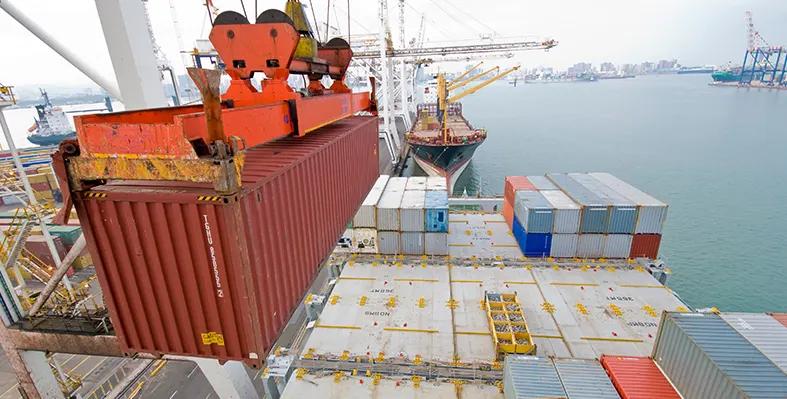
Containers loaded at port for export.
Back to all agricultural commodities

Start a trade

Ready to source sesame seeds?

Tell us your grade, volume, packaging and destination port. We will come back with availability, pricing and shipment dates.