Oilseed · Export

Soybeans: from farm to port.

Clean, high-protein soybeans from Nigeria’s Middle Belt. Follow each stage of how we source, process, grade and ship soybeans to buyers worldwide.

Protein: 38–42%Moisture: ≤13%Foreign matter: ≤2%Non-GMOSGS InspectedPhytosanitary CertifiedNEPC Registered

Stage 01 · Harvesting

Harvesting — Before the Pods Shatter

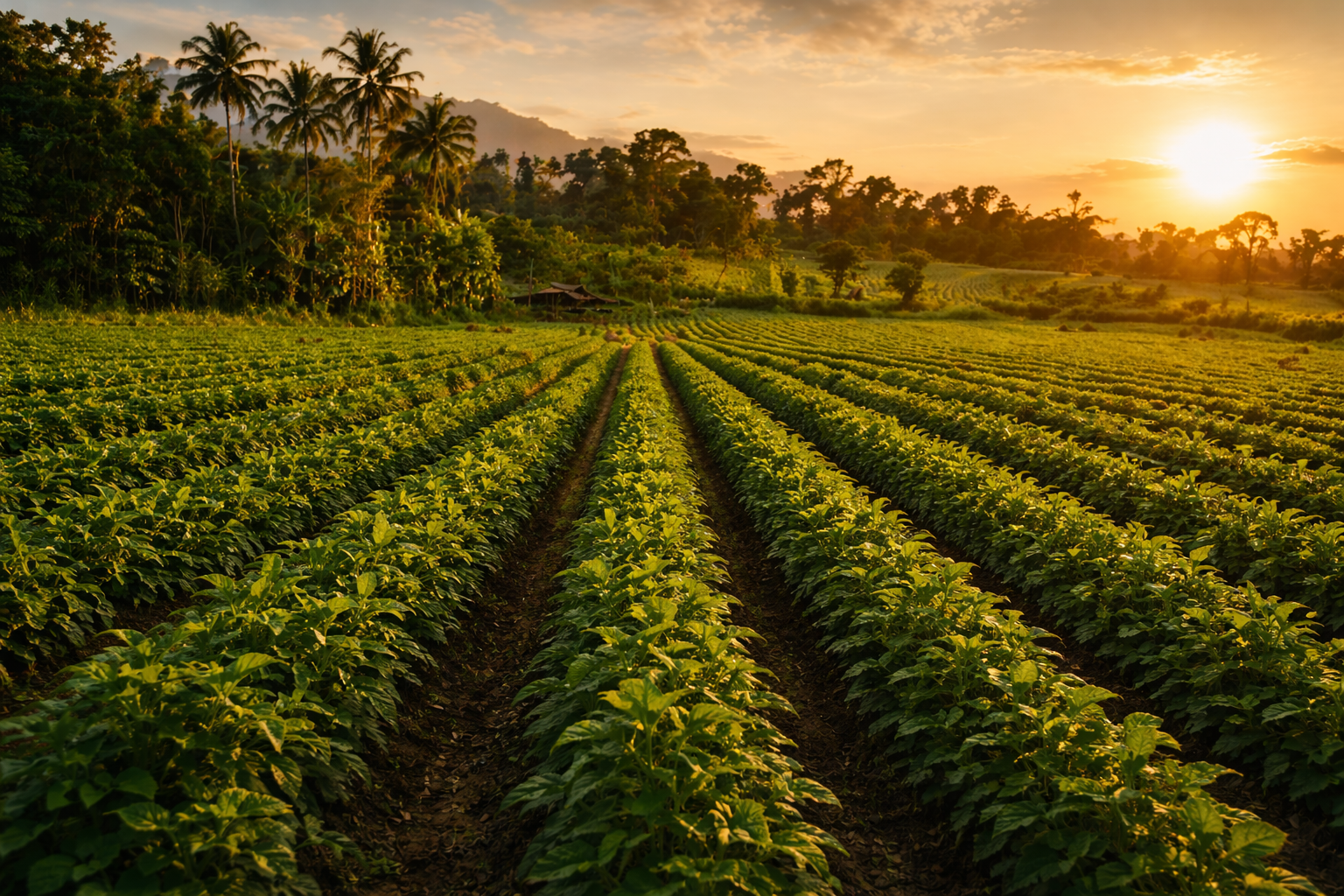
Nigeria is one of Africa’s largest soybean producers, with the crop grown mainly across Benue, Kaduna, Niger, Nasarawa and Plateau states. Soybeans are planted with the rains and harvested from around October to November.

The crop is ready when the leaves have dropped and the pods have turned brown and rattle when shaken. Harvest has to be timely: if the pods are left too long they shatter and scatter the beans on the ground.

Plants are cut by hand or by machine and gathered for threshing.
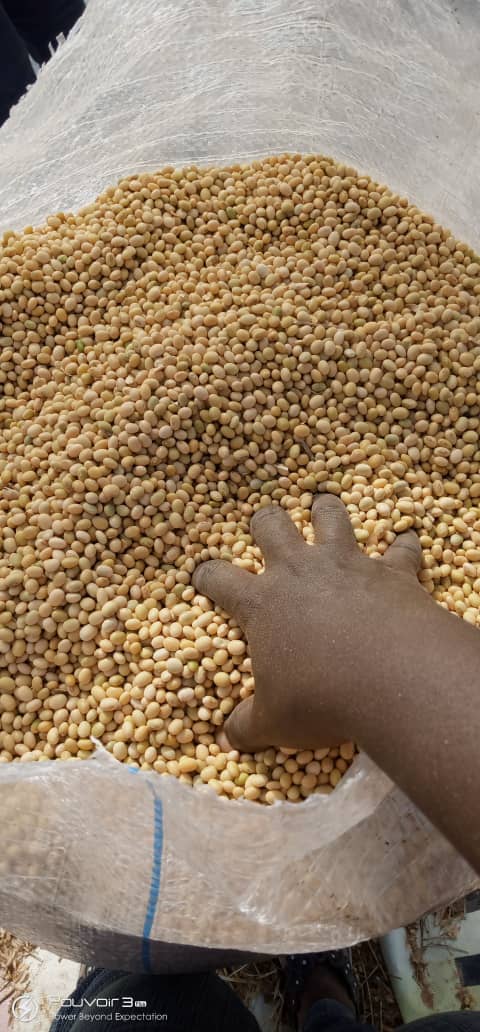
Harvested soybeans checked for size and colour.

Stage 02 · Threshing

Threshing & Drying

The harvested plants are dried in the sun for a few days, then threshed by hand or with mechanical threshers to separate the beans from the pods and stalks.

The beans are then dried further on clean tarpaulins until moisture falls to 13% or below, which is safe for storage and shipment. Threshing is done carefully to avoid cracking the beans.

Dried beans are stored in clean, ventilated warehouses, raised on pallets and protected from pests.

Stage 03 · Cleaning

Cleaning

Threshed soybeans contain pod fragments, stalks, sand, stones and broken or shrivelled beans. They are cleaned with sieves, aspirators and destoners, and sorted to remove damaged and discoloured beans.

Our export lots contain no more than 2% foreign matter, or less where the buyer specifies it.

Clean beans are kept apart from uncleaned stock until they are bagged.

Stage 04 · Grading

Grading & Testing

Each lot is sampled and tested for protein (typically 38–42% on a dry basis), oil content, moisture, foreign matter and the proportion of split and damaged beans.

Soybeans sold as non-GMO can be tested by PCR on request, and we test for aflatoxins and pesticide residues for food markets.

An independent inspector confirms the results before loading, and the reports travel with the shipment.

Stage 05 · Packaging

Packaging & Documentation

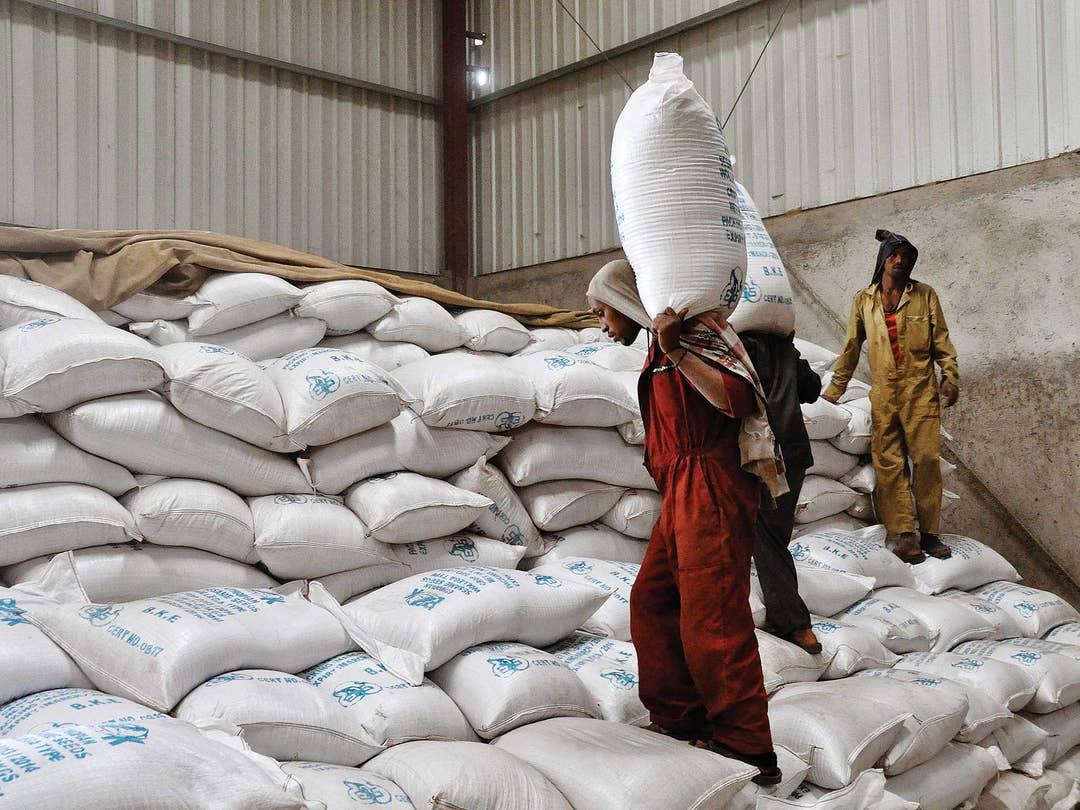
Soybeans are packed in new 50 kg polypropylene bags, or shipped in bulk in containers fitted with liner bags for larger volumes. Bags are marked with the lot number, origin and weights.

Bagged stock is stored on pallets in dry warehouses and fumigated before shipment where the destination requires it.

The documentation package includes the phytosanitary certificate, certificate of origin, independent inspection and analysis reports, fumigation certificate, bill of lading, commercial invoice and packing list.

Bagged stock stacked in the warehouse ahead of loading.

Stage 06 · Shipping

Container Loading & Export Logistics

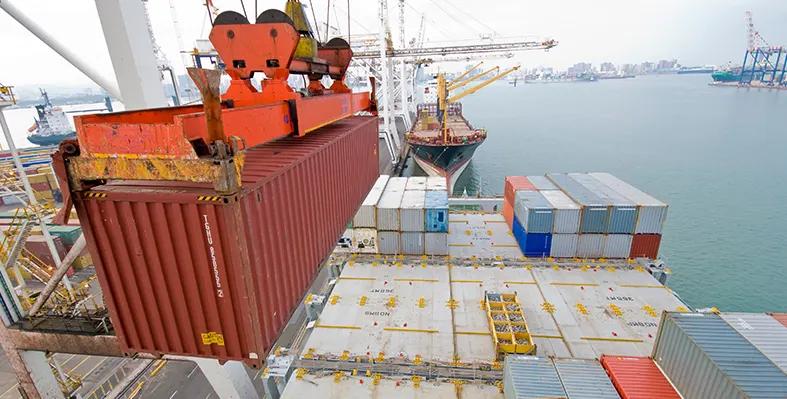
Soybeans are loaded into clean, dry containers lined with kraft paper to protect against condensation. A 20ft container typically carries around 22 to 25 tonnes.

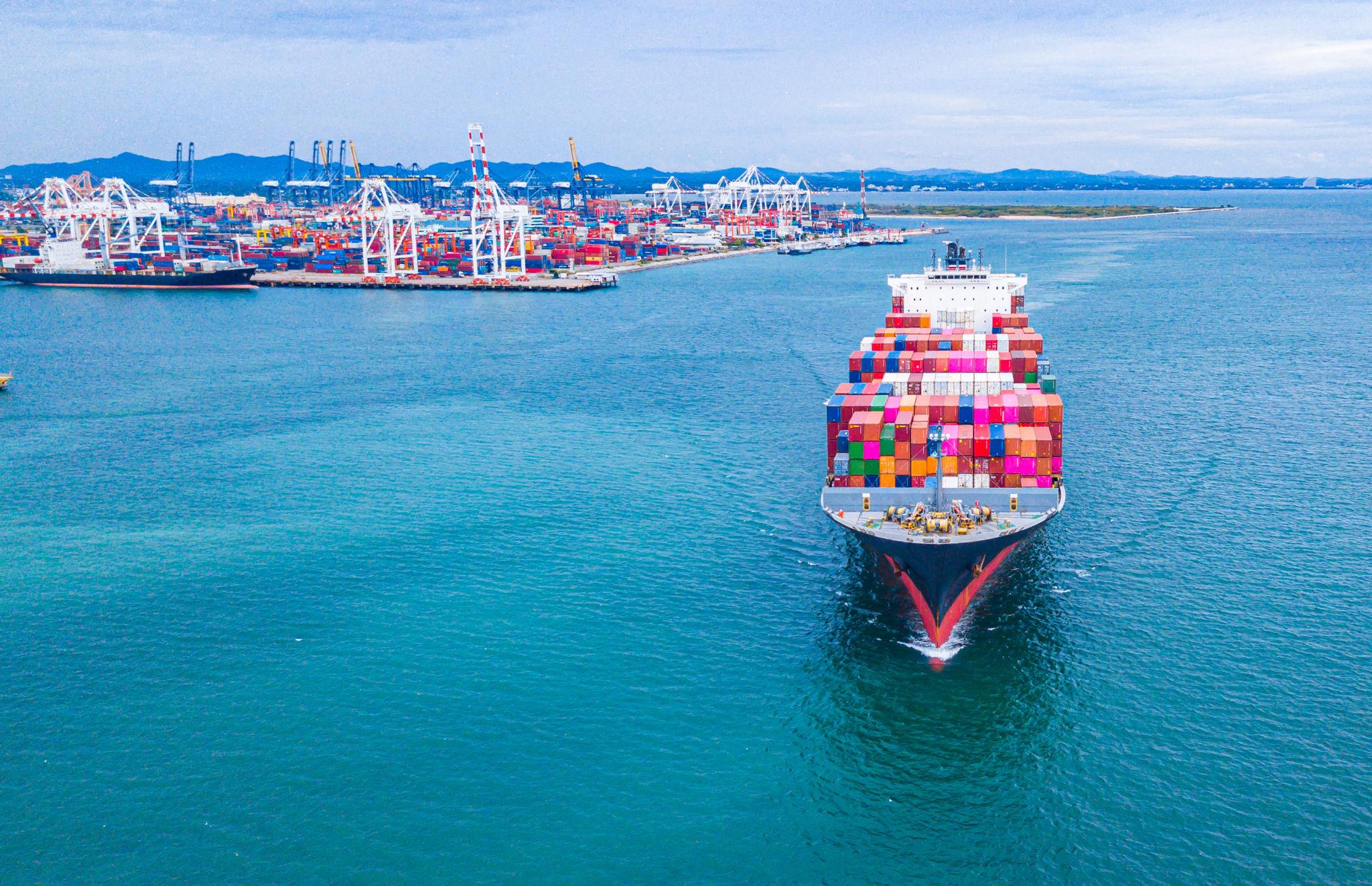
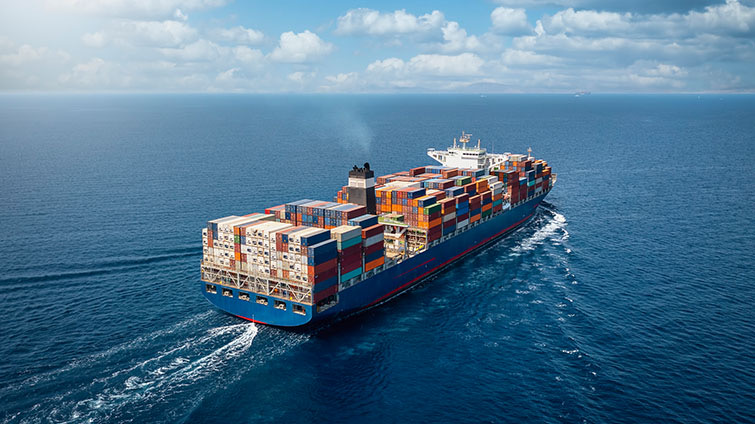
We ship from Apapa, Tin Can Island and Onne on FOB, CFR or CIF terms to buyers across Asia, Europe and the Middle East, including feed mills and oil processors.

Our logistics team shares booking details, tracking and arrival estimates throughout.

Containers loaded at port for export.
Back to all agricultural commodities

Start a trade

Ready to source soybeans?

Tell us your grade, volume, packaging and destination port. We will come back with availability, pricing and shipment dates.